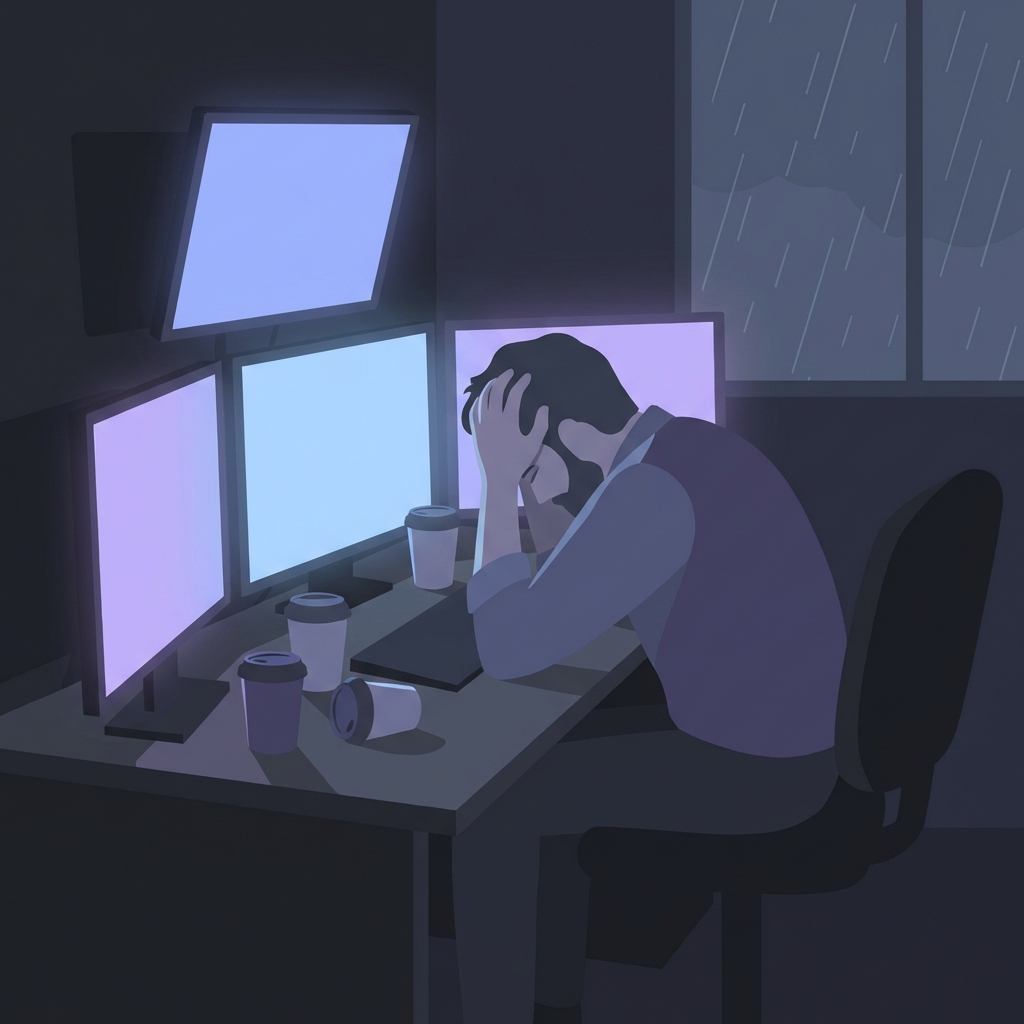
You know that feeling. You open VS Code, stare at the screen, and... nothing. The cursor blinks. Your coffee gets cold. That side project you were SO excited about three weeks ago? Yeah, you haven't touched it since.
Welcome to the club. Grab a seat. We've all been there.
The "I Used to Love This" Phase
Remember when you first discovered programming? When building a simple to-do app felt like you'd just invented fire? When you'd stay up until 3 AM not because of a deadline, but because you genuinely couldn't stop?
What happened to that person?
Here's the thing nobody tells you: that spark isn't meant to burn at full intensity forever. And that's okay. Really.
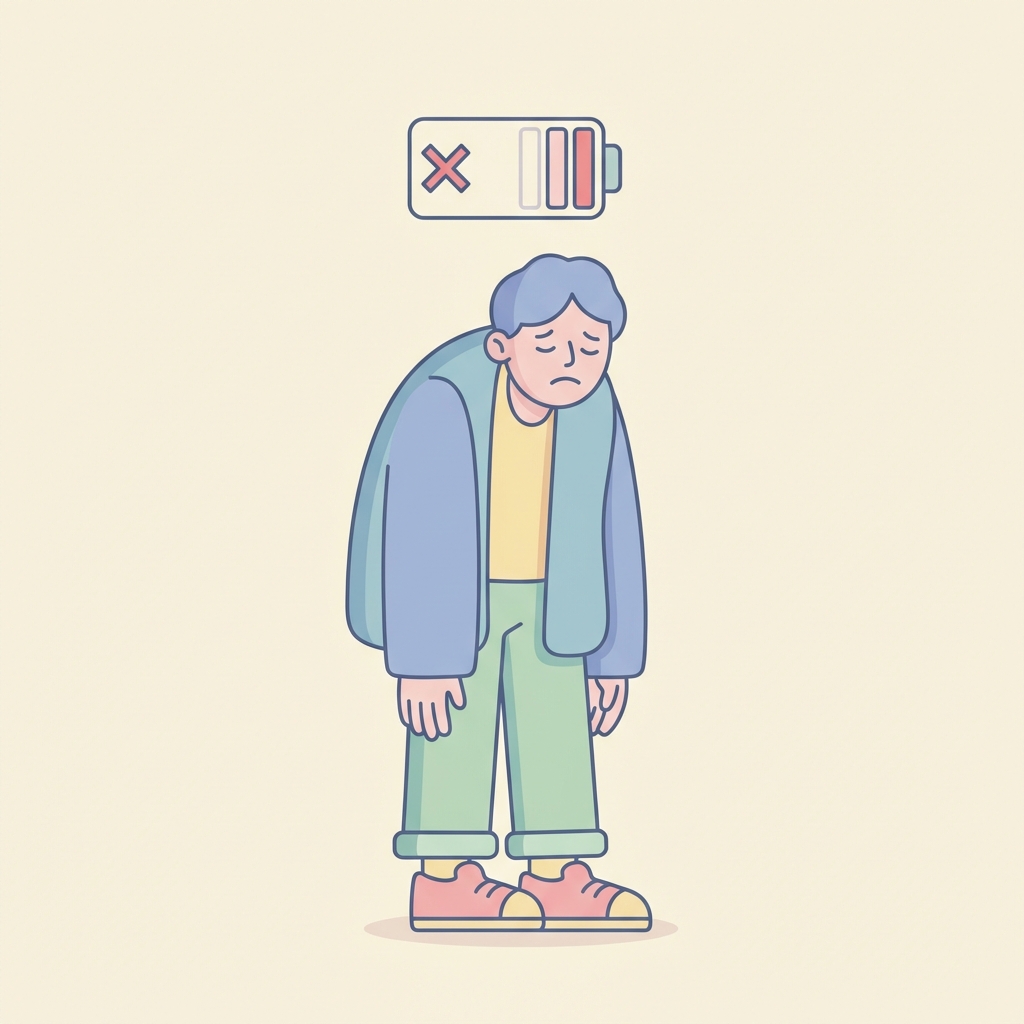
Signs You Might Be Burned Out (Not Just Lazy)
Let me paint a picture. See if any of these hit close to home:
- The Scroll of Doom: You open Twitter/X to "quickly check something" and suddenly it's been 2 hours and you've learned nothing useful
- Tutorial Hell 2.0: You watch coding tutorials but never actually code. It feels productive, but you know it isn't
- The Comparison Trap: Everyone on LinkedIn seems to be launching startups, getting promotions, and learning their 47th framework
- Physical Symptoms: Headaches, eye strain, that weird tension in your shoulders that won't go away
- The Guilt Spiral: You're not coding, but you feel guilty relaxing, so you just... exist in this uncomfortable middle ground
Sound familiar? Yeah. Me too.
Why This Happens (It's Not Your Fault)
Let's break it down:
1. The Never-Ending Treadmill
Tech moves FAST. There's always:
- A new JavaScript framework (shocking, I know)
- A new "revolutionary" AI tool you "need" to learn
- A new best practice that makes your old code look ancient
- Someone on Twitter saying your favorite stack is dead
It's exhausting trying to keep up. And guess what? You don't have to keep up with everything.
2. The Productivity Porn Problem
We're surrounded by content showing developers who:
- Wake up at 5 AM
- Meditate
- Exercise
- Learn a new language before breakfast
- Ship 3 features before lunch
- Have a perfect work-life balance
Meanwhile, you're just trying to remember what you named that variable. And that's totally fine.
3. Loss of Purpose
Sometimes we get so caught up in how we're coding that we forget why. When coding becomes just a series of tickets and Jira stories, it's easy to lose that connection to why you started in the first place.
The Recovery Playbook (What Actually Helps)
Okay, enough doom and gloom. Let's talk solutions. Here's what's worked for me and other devs I've talked to:
Step 1: Permission to Stop
This is the hardest one. Give yourself actual permission to take a break. Not a "I'll just check Slack every few hours" break. A real one.
- Close the laptop
- Delete Slack from your phone (yes, really)
- Go outside
- Do literally anything else
The world won't end. Your code will be there when you get back.
Step 2: Reconnect with Joy
Remember what made you love this? Maybe it was:
- Building something just for fun (not for your portfolio)
- Solving puzzles
- That feeling when the code finally works
- Helping someone else learn
Try going back to basics. Build something stupid. Something with no "real-world application." A website that tells you if it's Friday. A random quote generator. Whatever.
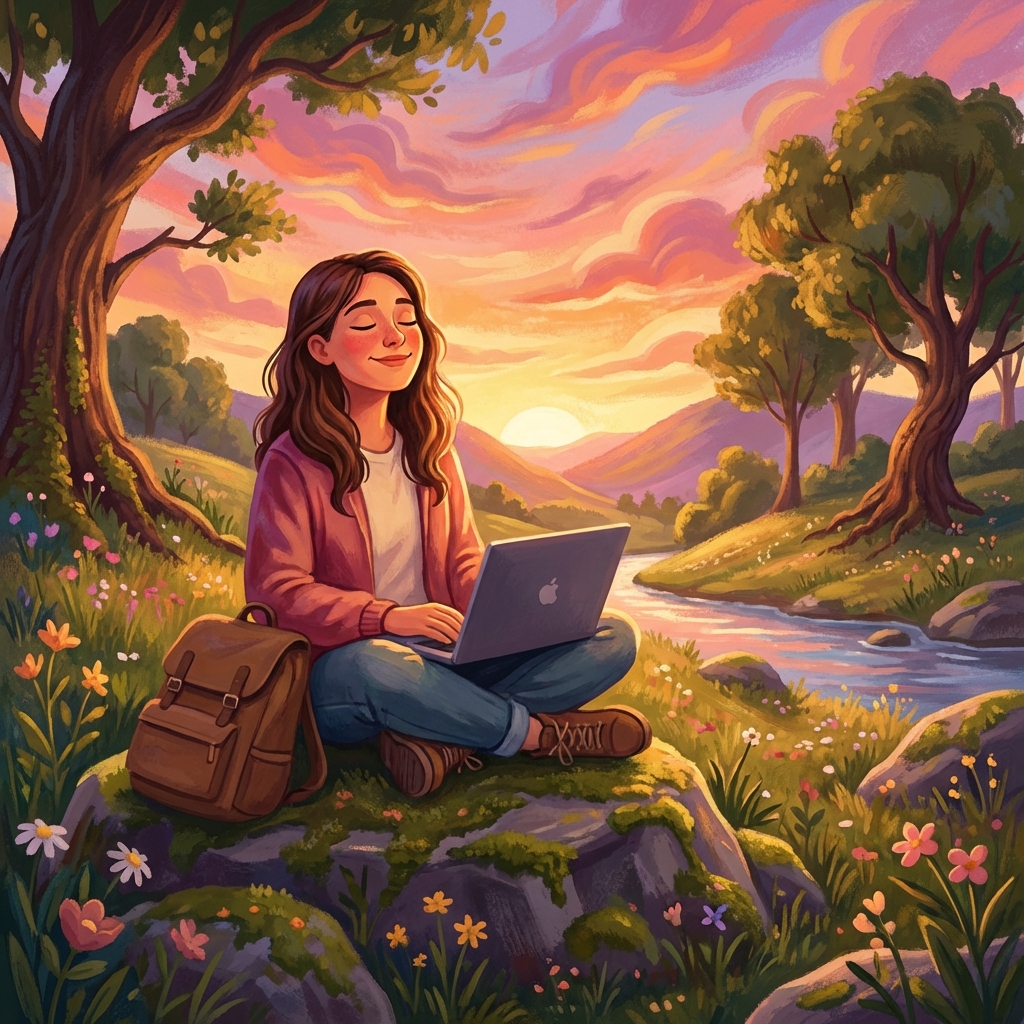
Step 3: Set Boundaries (And Actually Keep Them)
This is non-negotiable:
- No coding after [X] PM - Pick a time and stick to it
- One day completely off per week - Your brain needs a full reset
- Limit your learning - You don't need to know everything. Pick 1-2 things and go deep
Step 4: Talk to Someone
Whether it's a friend, a mentor, a therapist, or even just posting in a Discord server - get it out. You'll be surprised how many people feel the exact same way.
We're all out here pretending to have it together. We don't.
Step 5: Lower the Bar (Seriously)
Your goal for today doesn't have to be "build a full-stack app with authentication and real-time features."
It can be:
- Write one function
- Fix one bug
- Read one documentation page
- Open your IDE (that's it, that's the goal)
Small wins compound. Start tiny.
A Personal Note
I wrote this blog post because I've been there. Multiple times. There have been weeks where I questioned if I even liked programming anymore. Where the thought of opening my laptop made me physically tired.
And you know what? I got through it. Not by pushing harder, but by pulling back. By being kinder to myself. By remembering that I'm a human being, not a code-producing machine.
If you're reading this in the middle of a burnout spiral, here's what I want you to know:
- This is temporary. It doesn't feel like it, but it is.
- You're not falling behind. There is no behind.
- Your worth isn't measured in commits. You matter regardless of your output.
- Taking care of yourself IS productive. It's the most important work you can do.
TL;DR
Burnout is real. It happens to everyone. It doesn't mean you're a bad developer or that you chose the wrong career.
When nothing feels interesting:
- Take a real break
- Reconnect with why you started
- Set and keep boundaries
- Talk to people
- Lower the bar on expectations
And most importantly: be kind to yourself. The code can wait. You can't be replaced.
If this resonated with you, feel free to reach out. Sometimes just knowing you're not alone makes all the difference. And hey, if you're doing great right now? Save this article for later. You might need it.
Take care of yourself out there. 💙